Cappadocia Balloon Rides in March: Your Early Spring Guide
The first crocuses push through the cold soil near Pasabag. Snow still clings to the north-facing cliffs of Devrent Valley, but the southern slopes have turned green overnight. March in Cappadocia is the land deciding whether to stay in winter or move on to spring—and that uncertainty gives the landscape a raw, transitional beauty that peak-season visitors never see.
Flying a balloon in March requires a bit more patience than summer. The weather is unpredictable, mornings are cold, and flights are more often disrupted by weather. But the rewards—empty valleys, fresh light, and off-season prices—are real. Here is what to expect.
What Is the Weather Like in March?
March is a month of two halves. Early March often behaves like late winter: freezing mornings, occasional snowfall, gusty winds. Late March starts to stabilize, with sunrise temperatures climbing from 0 °C toward 5 °C. Daytime highs reach 8–14 °C, making afternoons pleasant for valley walks.
Wind is the main issue. Spring transition brings unstable air masses that can ground flights for two or three consecutive mornings. Rain is possible (4–6 days on average), and the occasional late-season snow dusts the fairy chimneys in white. Sunrise comes around 6:30 AM, so pickup is correspondingly early—the assigned operator confirms your exact time the evening before, generally between 17:00 and 20:00.
How Likely Is My Flight to Operate?
March carries more unsettled weather, and consecutive groundings are common when frontal systems pass through. We strongly recommend planning two or three mornings for your flight. If you are visiting in late March, your odds improve significantly as weather patterns settle.
Weather cancellations are refunded (a EUR 10 per-passenger card fee applies to card payments; no deduction for cash or bank transfer). Rebooking to a new date is not automatic or free—it is a new booking at that day’s current price and availability. Details in our cancellation policy.
What Will I See from the Basket?
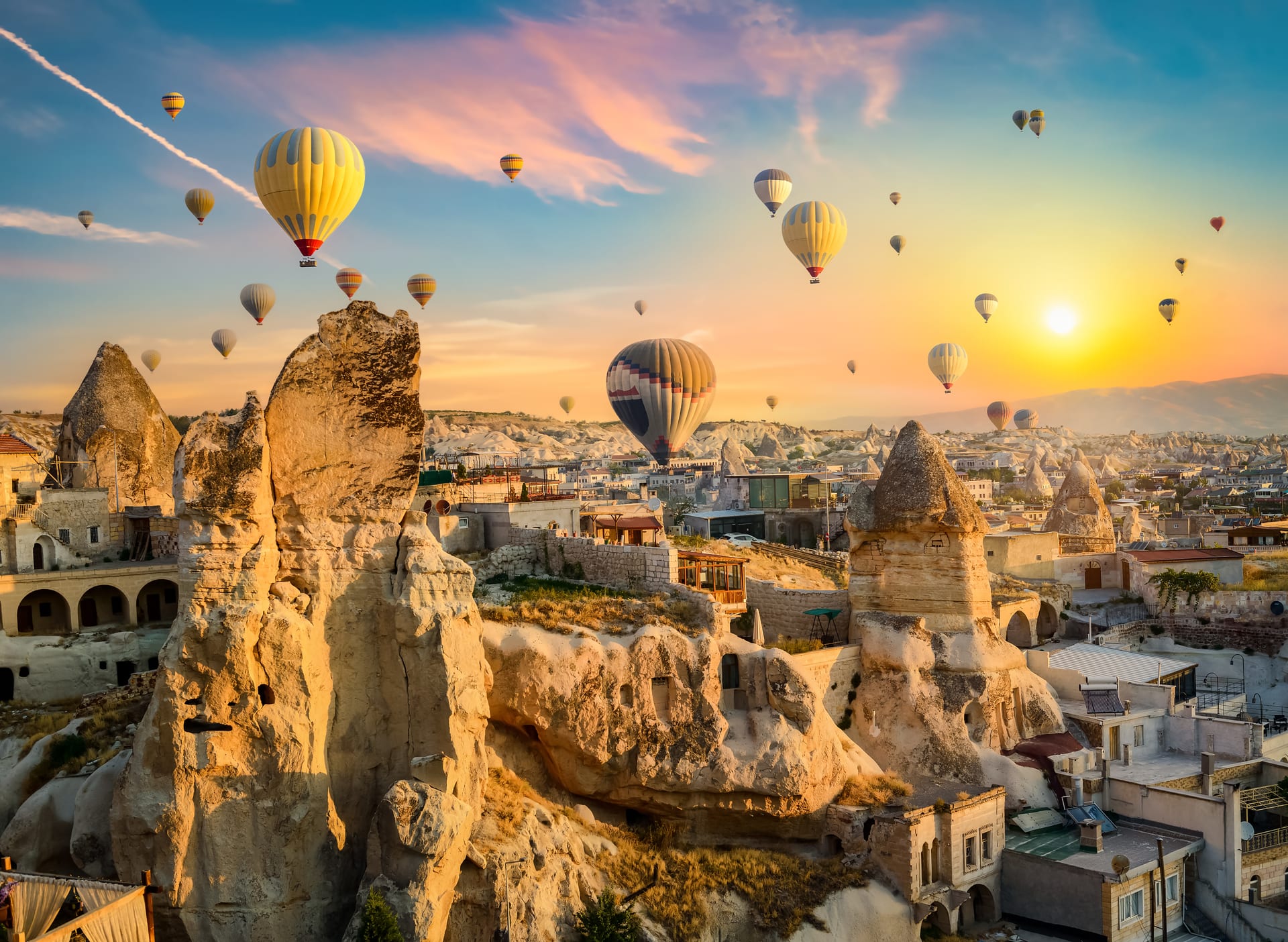
March offers a patchwork landscape. Patches of snow alternate with green grass. The fairy chimneys of Göreme stand out sharply against the contrasting terrain. Love Valley is striking in early spring light, and Rose Valley begins to show the pink-toned rock that gives it its name. A March morning generally sees noticeably fewer balloons in the sky than the busiest summer mornings, creating a quieter, more spacious feel.
If you are lucky enough to catch a flight after a light snowfall, the scene is extraordinary—white-capped chimneys against a clear blue sky, with only a handful of balloons dotting the horizon. Flying in March after snowfall is often considered one of the most striking versions of the flight.
What Should I Wear?
March mornings are cold. Do not underestimate the temperature at altitude. Pack like you would for a winter hike:
- Thermal base layer (top and bottom)
- Warm fleece or down jacket
- Windproof outer layer
- Gloves—essential, not optional
- Warm hat or beanie
- Scarf or neck gaiter
- Closed-toe warm boots (the launch field can be muddy or frosty)
Our full what to wear guide has a complete packing checklist for every season.
March Flight Details
| Detail | March |
|---|---|
| Sunrise time | ~6:30 AM |
| Hotel pick-up | Confirmed evening before |
| Temperature at sunrise | 0–5 °C |
| Weather pattern | Unsettled; frontal systems common |
| Balloons in sky | Fewer than peak summer |
| Crowd level | Low |
| Recommended mornings | 2–3 |
Why Visit Cappadocia in March?
The honest answer: March is for travelers who value solitude over certainty. Hotel prices drop 30–50% compared to peak season. The Göreme Open Air Museum, which draws long queues in summer, is nearly empty. Restaurants serve you without a reservation. Cave hotel terraces feel private.
The off-season pace also means the local team has more time for you. Pilots often seem less rushed, the pre-flight snack can feel more personal, and the landing celebration tends to have a smaller, warmer atmosphere. For those flexible enough to handle the weather risk, March delivers an experience that feels closer to the Cappadocia that locals know. Check our 3-day itinerary for a trip-planning framework.
Flying in March
Our Cappadocia Sunrise Balloon Flight runs in March from €150 per person, with the same 60-minute flight and hotel transfer included year-round. With fewer visitors overall in shoulder season, the mornings feel quieter than summer even though the flight itself carries the same 22–28 passengers. See our pricing page to request the exact price for your date.
FAQ
Is March too early for a Cappadocia balloon ride?
Not too early, but more unpredictable than April or May. If you have flexibility to wait two or three mornings, March delivers a unique experience with fewer crowds and lower prices. If you need a near-guaranteed flight, consider visiting in April instead.
Can it still snow in March?
Yes. Light snowfall is possible through mid-March, especially at higher elevations. Snow on the ground does not prevent balloon flights—wind does. A clear, cold morning after snowfall can produce one of the most stunning flights of the year.
Are hotels and restaurants open in March?
Most cave hotels and restaurants in Göreme operate year-round. Some smaller pensions may close for winter but reopen by early March. The major sites—Göreme Open Air Museum, Derinkuyu Underground City, Uchisar Castle—are open every day. For accommodation ideas, see our cave hotel guide.
Related Articles
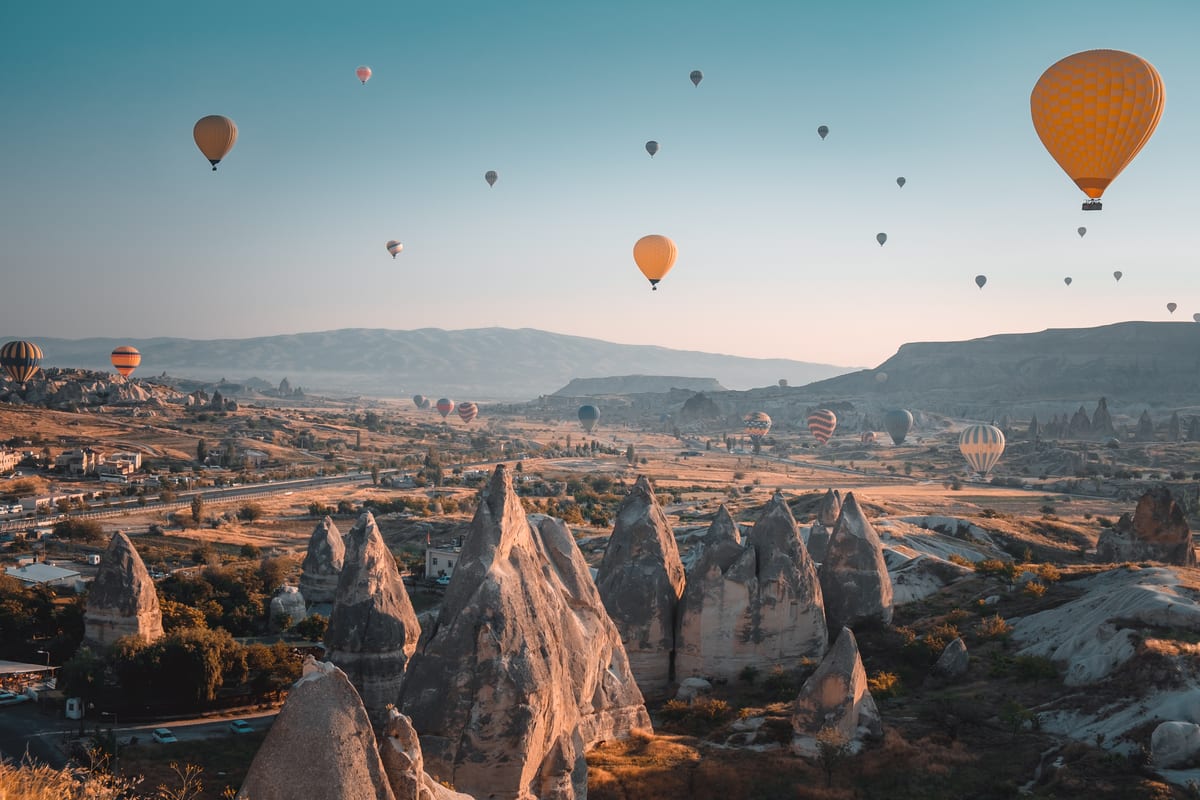
Cappadocia Balloon Winter Guide: Flying Over Snow-Covered Fairy Chimneys
Cappadocia balloon winter guide: snow flights, the year's most flight-disrupting weather, -5 to 5 C temperatures, and why winter is worth it. Flights from EUR 150.
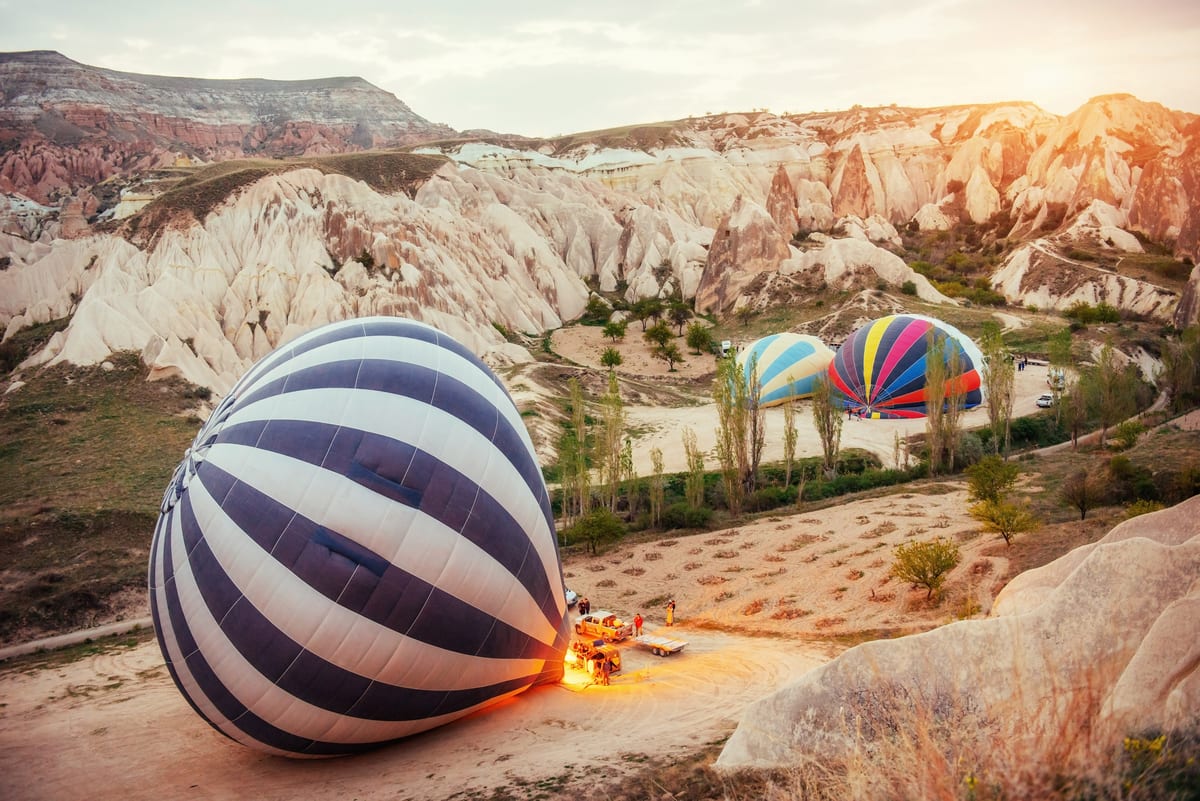
Cappadocia Balloon Rides in November: Your Late Autumn Flight Guide
November balloon flights in Cappadocia: 0-7 C at sunrise, more unsettled weather, golden autumn colors fading to winter. Honest guide with tips. From EUR 150.
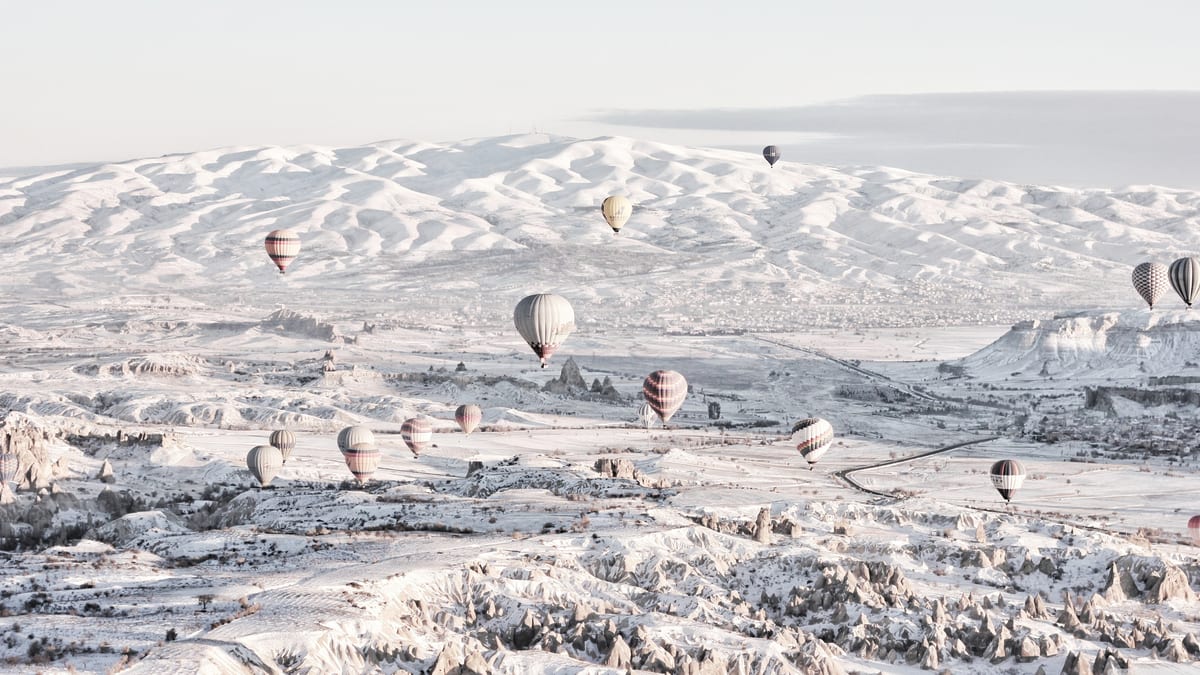
Cappadocia Balloon Rides in August: Your Peak Season Flight Guide
August balloon flights in Cappadocia: dozens of balloons in the sky each morning, 15-22 C at sunrise, the year's calmest flying weather. Beat the crowds and heat with our peak season tips.
Spring Is Waking Up. Fly Above It.
Sunrise flights from EUR 150 per person. Hotel pick-up, a light snack with hot and cold drinks, champagne toast, and flight certificate included.
Book Your March Flight