Best Time to Visit Cappadocia for a Balloon Ride: The Complete Month-by-Month Guide
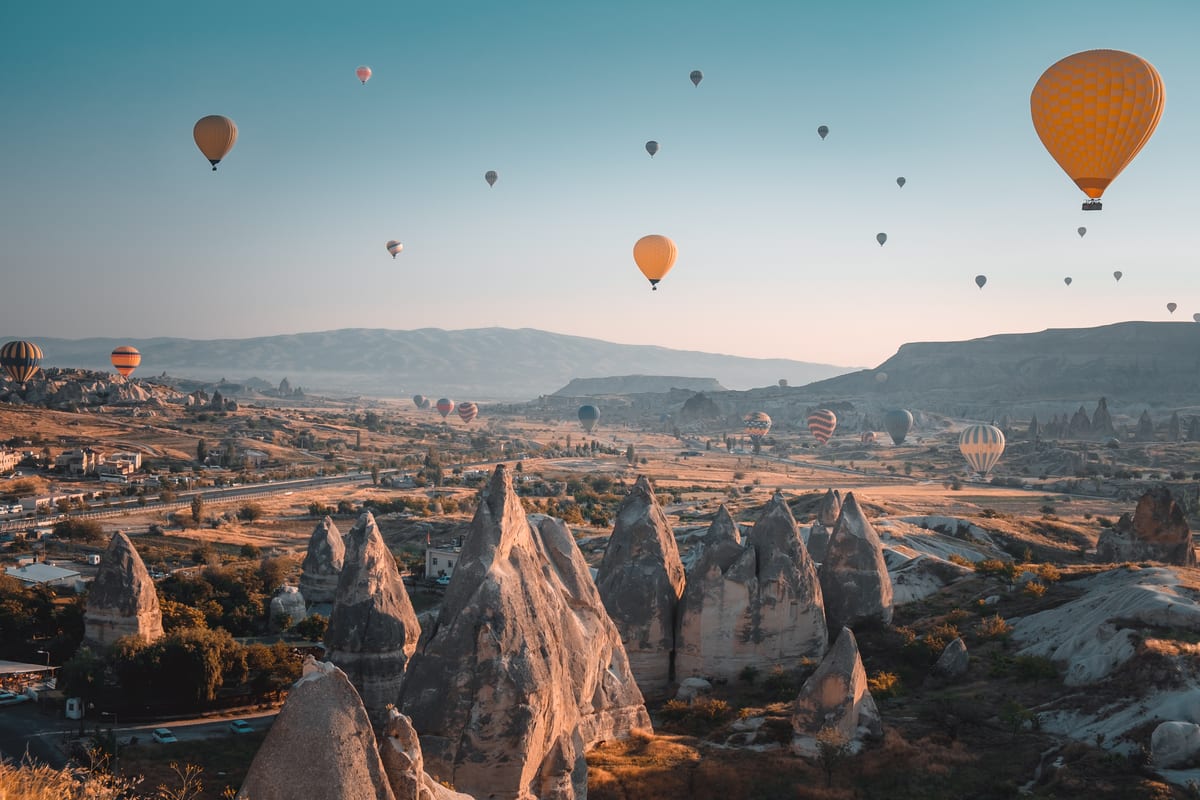
April mornings smell like wildflowers and damp volcanic rock. September sunrises glow amber through grape-laden vineyards. January dawns are razor-sharp, the fairy chimneys dusted in snow, the sky so clear you can see the Erciyes summit 80 kilometers away. Every month in Cappadocia has a personality, and the “best” time to visit depends entirely on what you want from your balloon flight—and what trade-offs you are willing to accept.
This guide breaks down all 12 months with regional weather patterns, general cancellation-risk bands, crowd levels, and honest recommendations to help you plan. No official, audited monthly cancellation-rate dataset for Cappadocia ballooning is publicly published, so this guide uses qualitative risk levels (very low, low, moderate, high) rather than invented percentages—each morning is still authorised or grounded fresh based on the actual conditions that day.
Quick Answer: When Is the Best Time?
April, May, September, and October offer the best combination of stable weather, calm, stable weather, comfortable temperatures, and manageable crowds. If we had to pick one month, September edges ahead—warm mornings, golden light, grape harvest in the vineyards, and among the calmest flying weather of the year.
But “best” is not the same as “only good.” Summer months tend to deliver high flight success rates with spectacular long-daylight conditions. Winter brings dramatic snow-covered scenery that photographers love. Every month has reasons to fly.
The Complete Month-by-Month Comparison
No official, audited monthly cancellation-rate dataset for Cappadocia ballooning is publicly published, so the “Typical Weather” column below describes the region's well-documented seasonal climate pattern rather than a measured statistic.
| Month | Temp (sunrise) | Typical Weather | Crowd Level | Sunrise | Rating |
|---|---|---|---|---|---|
| January | -5 to 0 °C | Frequent wind, snow & fog | Very low | ~7:30 AM | Adventurous |
| February | -3 to 2 °C | Still wintery; wind & snow | Very low | ~7:10 AM | Adventurous |
| March | 0 to 5 °C | Unsettled; improving late-month | Low | ~6:30 AM | Good |
| April | 5 to 12 °C | Increasingly stable | Moderate | ~6:00 AM | Excellent |
| May | 10 to 16 °C | Calm, stable pattern | Moderate–High | ~5:30 AM | Excellent |
| June | 14 to 20 °C | Stable high-pressure, calm | High | ~5:15 AM | Very Good |
| July | 17 to 23 °C | Most stable time of year | Very High | ~5:20 AM | Very Good |
| August | 17 to 22 °C | Most stable time of year | Very High | ~5:45 AM | Very Good |
| September | 12 to 18 °C | Stable, calm mornings | Moderate | ~6:15 AM | Excellent |
| October | 6 to 13 °C | Generally calm; autumn wind increasing | Moderate | ~6:45 AM | Excellent |
| November | 1 to 7 °C | Unsettled; early snow possible | Low | ~6:50 AM | Good |
| December | -3 to 2 °C | Frequent wind, snow & fog | Very Low | ~7:25 AM | Adventurous |
Spring: March, April, May
March — The Transition Month
March is unpredictable. Some mornings are crisp and perfect; others bring wind that grounds flights for two or three consecutive days. Temperatures at sunrise hover around freezing, so you need serious layers. The upside: Göreme feels like a village again. Hotels offer off-season rates, restaurants have empty tables, and the valleys are yours.
The weather is more often unsettled this time of year, which means you should plan at least two mornings for your flight. Late March improves significantly as the weather patterns stabilize. For a detailed breakdown, see our March balloon flight guide.
April — The Sweet Spot Begins
April is when Cappadocia wakes up. Wildflowers blanket the valleys—Rose Valley earns its name with pink and white blossoms. Sunrise temperatures settle into a comfortable 5–12 °C range. Flight the weather calms, though it can still be occasionally unsettled, a dramatic improvement from winter. Crowds are manageable: enough balloons in the sky to create that iconic multi-balloon photo, but not so many that the launch field feels chaotic.
We wrote a full April guide covering weather patterns, what to pack, and why photographers love this month.
May — Near-Perfect Conditions
May combines the best of spring and early summer. Mornings are warm enough to enjoy the flight without bundling up, the weather becomes calm and stable, and the landscape is at peak green. The valleys look lush from above—a contrast to the golden-brown tones of late summer. Crowds start building toward the end of the month, but availability is still good if you book at least a week in advance.
Summer: June, July, August
June — Long Days, Warm Mornings
June brings the longest days of the year and some of the most reliable flying conditions. Sunrise comes before 5:30 AM, meaning early wake-ups, but the reward is golden light that lasts longer than any other month. This is typically among the calmest flying weather of the year. The only trade-off: crowds. Hotels fill up, and a large number of balloons can launch on a single morning during peak weeks.
July — Peak Season Heat
July is the busiest month in Cappadocia. Daytime temperatures can reach 35 °C, but balloon flights happen at sunrise when it is still a pleasant 17–23 °C. The morning flight becomes the highlight of the day because afternoons are too hot for much else. Book well in advance—availability can fill up well ahead of your dates. Our July guide has tips for beating the heat.
August — Reliable but Crowded
August mirrors July: hot days, warm mornings, very calm, stable weather. Sunrise shifts later (5:45 AM) which gives you a few extra minutes of sleep. Crowds remain high through mid-August, then start tapering. If you are visiting in late August, you get summer reliability with a hint of the shoulder-season calm that September brings. The landscape turns golden-brown, and the light takes on a warmer tone.
Autumn: September, October, November
September — Our Favorite Month
If we could fly in only one month a year, we would choose September. The summer heat fades, mornings are warm without being cold, and the light is extraordinary—soft, golden, and long-lasting. The weather typically stays calm and stable through the month. Crowds thin out noticeably after the first week. The grape harvest is underway in the vineyards around Ürgüp, and local wineries like Turasan offer tastings. The combination of perfect flying conditions, great photography light, and a quieter village atmosphere makes September hard to beat. Full details in our September guide.
October — Autumn Colors, Cooler Air
October is autumn in full force. The valleys shift from green to amber, rust, and gold. Sunrise temperatures drop to 6–13 °C—you will want a warm jacket. The weather becomes somewhat less predictable, but the vast majority of flights still operate. Crowds are low, prices drop at many hotels, and Göreme has the relaxed feel of a small Turkish town rather than a tourist hub. Read our October balloon guide for the full picture.
November — The Last Comfortable Month
November is the dividing line between manageable and challenging. Early November often delivers clear, cold mornings with excellent visibility. By late November, wind and rain become more frequent, and flying weather turns more unsettled. Temperatures at sunrise hover around 1–7 °C. The reward for braving the cold: some of the most dramatic skies of the year, and a near-empty landscape below.
Winter: December, January, February
December — Snow and Uncertainty
December flying is a gamble. This is typically the most flight-disrupting weather of the year, meaning you might need three or four mornings to catch a flight. But when it happens, the scene is extraordinary: snow-capped fairy chimneys, frosted valleys, and air so still the balloon barely drifts. Sunrise comes late (around 7:25 AM), so the early wake-up is less brutal than summer. Layer up aggressively—it is -3 to 2 °C in the basket.
January — The Coldest Month
January is Cappadocia at its most raw. Temperatures can drop to -10 °C overnight, and sunrise readings of -5 °C are common. This is typically the most flight-disrupting weather of the year. Snow on the ground is likely, turning the landscape into something out of a fairy tale—white chimneys against a pale blue sky. Far fewer balloons fly on January mornings when flights do operate, so the sky feels peaceful and uncrowded.
February — Still Winter, Slightly Better
February is January with a faint hint of hope. Temperatures remain below freezing at sunrise, but daylight hours increase noticeably. The weather eases slightly but remains often unsettled. Snow is still possible, and February can produce some of the most stunning balloon photos of the year—the low winter sun paints long shadows across the snow-dusted valleys. For anyone considering a winter flight, our winter balloon guide covers everything you need to prepare.
Seasonal Comparison at a Glance
| Factor | Spring (Mar–May) | Summer (Jun–Aug) | Autumn (Sep–Nov) | Winter (Dec–Feb) |
|---|---|---|---|---|
| Flight reliability | Good to Excellent | Excellent | Good to Excellent | Low |
| Temperature comfort | Cool to Warm | Warm | Cool to Warm | Cold |
| Crowds | Low to Moderate | High to Very High | Low to Moderate | Very Low |
| Photography | Wildflowers, green | Golden light, haze | Golden tones, harvest | Snow, dramatic |
| Hotel prices | Mid-range | Peak | Mid-range | Lowest |
| Best for | Couples, photographers | Families, bucket-listers | Everyone | Adventurers, photographers |
How Weather Affects Flight Decisions
Cappadocia's SHM system publishes one of three daily flight statuses at shmkapadokya.kapadokya.edu.tr: Green (meteorologically available, though the final decision still rests with the licensed operator and pilot), Yellow (takeoff clearance temporarily withheld, which may shift to Green or Red), or Red (flight cancelled for that period). Above Cappadocia does not set this status or decide whether a flight goes ahead—we coordinate with whichever licensed operator is assigned to your flight, based on the status SHM publishes.
Wind is the primary grounding factor. Cappadocia's geography—a high plateau surrounded by mountains—creates generally calm morning thermals, which is why the region became one of the world's top balloon destinations. But frontal systems, especially in winter and early spring, can bring sustained winds above the flight threshold for days at a time.
Rain and fog ground flights occasionally in autumn and spring. Snow alone does not prevent flying—flights can be especially memorable over snow-covered valleys on clear January mornings. The issue is usually the wind systems that accompany winter storms. For more detail on cancellation patterns and how to plan backup mornings, read our cancellation rates and weather data guide.
How Many Mornings Should You Plan For?
This is the most practical question we get asked, and the answer depends on the season:
- June through September: This is typically the calmest flying weather of the year, so one morning is often enough—still book it as your first morning to keep a buffer.
- April, May, October: Plan two mornings. This gives you a comfortable buffer during a generally calm, occasionally unsettled weather window.
- March, November: Plan two or three mornings. Weather is less predictable.
- December through February: Plan three or four mornings. This is the highest cancellation-risk stretch of the year, so patience pays off. Consider staying extra days—winter hotel rates are low enough that the additional nights cost very little.
Our cancellation policy refunds your booking if weather cancels your flight (a card-processing fee applies to card refunds; cash and bank-transfer refunds have no deduction). Rebooking a new date is not automatic or free—it is a new booking at that day's current price and availability.
Best Month for Photography
Photographers have different priorities than casual visitors. The “best” month for photography depends on the look you want:
- Warm golden tones, vineyard colors: September and October
- Lush green valleys, wildflowers: April and May
- Snow-covered fairy chimneys: January and February
- Most balloons in the sky: June through August
- Fewest balloons for isolated shots: December through February
For camera settings, lens recommendations, and basket positioning tips, see our balloon photography guide.
Best Month for Couples and Honeymooners
Romance and balloon flights go hand in hand, but the season affects the experience. April, May, and September offer the most romantic combination: warm enough to enjoy the flight without shivering, uncrowded enough that our Sunrise Balloon Flight feels intimate, and light conditions that make every photo look effortless. Proposals work in any month—but the best surprise-proposal weather is April through October when the weather is generally calm and stable. No one wants to reschedule a proposal three times.
Best Month for Families with Kids
Children aged 6 and older can fly with us. Summer months (June–August) are the most family-friendly: warm mornings mean kids are comfortable, schools are on break, and the calm, stable weather means you are less likely to disappoint excited children with a grounding. The early wake-up is the biggest challenge—flights launch around 5:15–5:45 AM in summer. Our family balloon guide has tips for managing the early morning with kids.
What to Wear by Season
Temperature in the basket matches the ground temperature at sunrise—the balloon rises slowly and the burner keeps the air above you warm, but your face and hands feel the morning chill. A quick seasonal guide:
- Summer (Jun–Aug): Light layers, sunglasses. A thin jacket is enough.
- Spring/Autumn (Apr–May, Sep–Oct): Warm jacket, scarf, closed shoes. Gloves optional but nice in April and October.
- Winter (Nov–Mar): Thermal base layer, down jacket, gloves, hat, warm boots. We mean it—it is seriously cold at altitude in January.
For a complete packing checklist, read our what to wear guide.
Frequently Asked Questions
Do balloon flights operate year-round in Cappadocia?
Yes. Flights operate 365 days a year, weather permitting. Winter months have the most flight-disrupting weather of the year, but when conditions align, winter flights are among the most memorable we offer.
Is there a “bad” month to visit?
No month is bad, but some require more flexibility. December and January demand patience and extra mornings in your itinerary. If you only have one morning available for a flight, June through September gives you the best odds of actually flying.
Are prices different depending on the month?
Our flight price remains consistent year-round: from EUR 150 per person. Some operators charge seasonal premiums in summer—we do not. The price you see on our site is the price you pay, regardless of month.
When should I book my flight?
For summer months (June–August), book at least 2–4 weeks in advance since availability can fill up well ahead. For shoulder season (April–May, September–October), one to two weeks is usually sufficient. Winter bookings can often be made just a few days ahead, but we still recommend booking early to guarantee your preferred date. Our booking guide walks you through the process step by step.
What happens if my flight is cancelled due to weather?
Your booking is refunded (a card-processing fee applies to card refunds; cash and bank-transfer refunds have no deduction). Rebooking a new date is not automatic or free—it is a new booking at that day's current price and availability. The decision to ground flights is made by the SHM system, not by us, and it applies to all operators across the region. See our guide to cancelled flights for alternative activities if your flight does not operate.
Related Articles

Cappadocia Travel Guide for First-Time Visitors: Everything You Need
Cappadocia travel guide for first-time visitors: how to get there, where to stay, balloon flights from EUR 150, food, culture, and day-by-day planning tips.
Cappadocia Balloon Proposal Planning: The Complete Guide
Plan a Cappadocia balloon proposal: how to arrange a special request, ring safety, decoration ideas, and timing tips. Step-by-step guide.
Cappadocia Balloon Photography Guide: Camera Settings, Best Angles & Timing
Cappadocia balloon photography guide: camera settings, phone vs DSLR, golden hour timing, best angles from basket and ground, drone rules, Instagram spots.
Pick Your Month. We Handle the Rest.
Sunrise flights from EUR 150 per person, every month of the year. Hotel pick-up, a light snack with hot and cold drinks, champagne toast, and flight certificate included.
Book Your Balloon Flight