Cappadocia Balloon Pilot Training & SHGM Regulations: What Keeps You Safe in the Sky
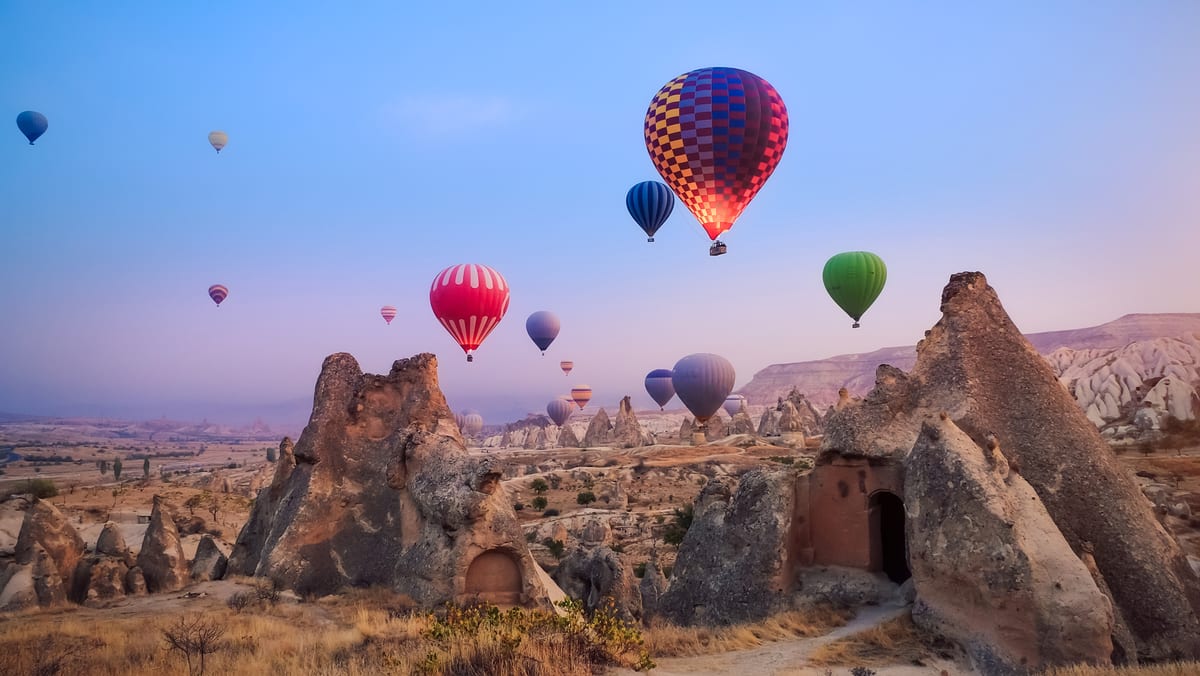
On a clear May morning, dozens of balloons lift off from Goreme within a short window around sunrise. Each one carries a group of passengers. Each one is controlled by a single person standing at the burner. That person—the pilot—is the reason you get to enjoy the view instead of worrying about it. Here is exactly what it takes to become a licensed balloon pilot in Turkey, and why the system behind it matters.
What Is SHGM and Why Does It Matter?
SHGM stands for Sivil Havacilik Genel Mudurlugu—Turkey’s Directorate General of Civil Aviation. It is the government body that regulates all commercial aviation in Turkey, including hot air balloon operations. Every operator, every pilot, every balloon, and every single flight in Cappadocia falls under SHGM authority.
SHGM is not a voluntary certification. Operating without its approval is illegal.
For travelers, this means something concrete: the person flying your balloon did not just “learn to fly.” They passed a rigorous commercial balloon licensing program.
How Does a Pilot Get Licensed?
Becoming a commercial balloon pilot in Turkey is a multi-year process. It is not something you do in a weekend course. The pathway has four distinct phases:
Phase 1: Student Pilot Certificate
A candidate must first obtain a student pilot certificate from SHGM, which requires a Class 2 medical examination. This medical checks cardiovascular health, vision, hearing, and general fitness. The candidate then begins training under a certified flight instructor, learning basic inflation, launch, altitude control, and landing.
Phase 2: Private Pilot License (PPL—Balloon)
After accumulating a minimum number of supervised flight hours, the candidate sits for written exams covering:
- Aviation meteorology: Understanding wind layers, thermal patterns, cloud formations, and how Cappadocia’s volcanic terrain creates unique air currents
- Air law and regulations: SHGM rules, airspace classifications, flight corridors, and reporting obligations
- Navigation: Reading terrain, GPS usage, understanding wind drift and its effect on flight path
- Balloon systems: Envelope construction, burner mechanics, fuel management, parachute valve operation
- Human factors: Fatigue management, decision-making under pressure, crew communication
A practical flight test follows. An SHGM examiner flies with the candidate and evaluates inflation procedures, launch technique, altitude management, passenger briefing skills, emergency response, and landing accuracy.
Phase 3: Commercial Pilot License (CPL—Balloon)
The private license allows a pilot to fly, but not commercially. To carry paying passengers, the pilot must upgrade to a commercial license by logging a substantial number of total flight hours—commonly cited as at least 100—including experience in Cappadocia’s specific terrain. Additional examinations test commercial operations knowledge: passenger management, weight and balance calculations, commercial flight planning, and emergency scenarios with a full basket.
Pilots often spend roughly 2–3 years moving from student certificate to commercial license. During this time, they fly in different seasons, different wind conditions, and different visibility levels—building experience that cannot be taught in a classroom.
Phase 4: Type Rating and Operator Endorsement
A commercial license alone is not enough. Pilots must hold a type rating for the specific balloon model they fly (Cameron, Ultramagic, Kubicek, etc.) and receive an endorsement from the operator they work for. Each operator has its own standard operating procedures, and the pilot must demonstrate proficiency within that system.
What Keeps Pilots Current After Licensing?
Getting a license is only the beginning. SHGM requires ongoing compliance:
| Requirement | Frequency | What It Covers |
|---|---|---|
| Medical examination | Annual | Cardiovascular, vision, hearing, general fitness |
| Proficiency check flight | Annual | Practical flight evaluation by SHGM examiner |
| Recurrent training | Annual | Emergency procedures, CRM, regulatory updates |
| Minimum flight hours | Rolling 12 months | Minimum hours to maintain currency (varies by license type) |
A pilot who fails a medical, skips a check flight, or drops below the minimum flight hours cannot legally fly. There is essentially no grace period—once a requirement lapses, the license is not considered valid until it is restored.
How Many Pilots Fly in Cappadocia?
A significant number of licensed operators fly in the Goreme region, with a sizeable pool of commercially licensed pilots active in the area. On a full-flying morning in peak season, a large share of them are in the air at the same time. This concentration means many Cappadocia pilots build up flight experience across a wide range of seasons, weather conditions, and traffic situations.
More hours mean more experience with wind shifts, terrain hazards, multi-balloon traffic, and passenger management. Pilots flying with the operators we coordinate with hold SHGM commercial balloon licenses. They know the valleys by name, by wind pattern, and by the way the light falls at 5:30 AM in April versus August.
What Does the Pilot Actually Do During Your Flight?
From the outside, it looks like the pilot just pulls a lever to go up. The reality is far more involved:
- Pre-flight weather assessment: Even after SHGM gives the green light, it is standard practice for the pilot to check wind speed, direction, and temperature at the launch site, often using a small helium balloon (pibal) to observe upper-level winds
- Inflation supervision: The pilot oversees the crew inflating the envelope, checking fabric condition, rigging tension, and burner function
- Passenger briefing: A brief safety briefing (typically just a few minutes) on landing position, handholds, and what to expect during the flight
- Launch and climb: Controlling the rate of ascent, navigating away from nearby balloons, finding the right altitude layer for the desired flight path
- In-flight navigation: Using different wind directions at different altitudes to steer the balloon over valleys, fairy chimneys, and landmarks—while maintaining safe separation from other balloons and terrain
- Radio communication: Constant contact with ground crew and other pilots, coordinating altitude changes and landing approaches
- Landing: Selecting a safe landing site, coordinating with the chase vehicle, managing descent rate, and guiding passengers through the landing sequence
How Does SHGM Regulate Day-to-Day Operations?
Beyond pilot licensing, SHGM controls the daily operation of balloon flights in Cappadocia through several mechanisms:
The Daily Fly/No-Fly Decision
Each morning before sunrise, SHGM’s meteorological team in Nevsehir assesses wind speed, wind direction, visibility, precipitation, and cloud ceiling, then issues a fly or no-fly decision that applies to every operator in the region. This centralized decision is intended to prevent individual operators from taking risks in marginal weather. For cancellation rate data by month, see our weather data guide.
Operator Licensing and Inspections
Each operator holds an Air Operator Certificate (AOC) from SHGM. This certificate specifies how many balloons the company can operate, the types of balloons approved, and the operating procedures they must follow. SHGM inspectors conduct scheduled and surprise inspections of maintenance records, safety equipment, insurance documents, and pilot documentation.
Equipment Airworthiness
Every balloon must have a current Certificate of Airworthiness. Envelopes have a maximum flight-hour lifespan before mandatory replacement—commonly cited as somewhere in the 400–500 hour range, though exact limits vary by manufacturer and model. Burner systems are inspected before every flight. Baskets must meet structural standards. Annual detailed inspections are performed by manufacturer-approved technicians. If any component fails inspection, that balloon is grounded until the issue is resolved. For more on equipment standards, see our complete safety guide.
Incident Reporting
All incidents, from hard landings to equipment malfunctions, must be reported to SHGM. The agency investigates, issues findings, and can mandate corrective actions across the entire industry—not just the operator involved. This means a lesson learned by one operator benefits every passenger in Cappadocia.
How Does Cappadocia Compare to Other Countries?
Not all balloon destinations regulate to the same standard. Here is how Turkey’s system compares:
| Feature | Turkey (SHGM) | Many Other Locations |
|---|---|---|
| Centralized fly/no-fly | Yes—applies to all operators | Often left to individual operators |
| Min. commercial flight hours | 100+ hours | Varies by country |
| Annual proficiency check | Mandatory | Not always required |
| Daily equipment pre-check | Required by regulation | Best practice, not always enforced |
| Mandatory passenger insurance | Yes | Varies by jurisdiction |
What Should You Check Before Booking?
You do not need to memorize regulations. But a few simple checks can tell you a lot about an operator’s standards:
- Ask about pilot experience. How many years has the pilot been flying commercially in Cappadocia? Local, valley-specific experience matters more than total hours logged elsewhere.
- Check reviews. Look for genuinely verified reviews rather than a headline star rating with no way to check the source. See our verified guest reviews.
- Confirm insurance coverage. All SHGM-licensed operators carry mandatory passenger liability insurance. Ask for confirmation if you are unsure—read more in our insurance coverage guide.
- Understand the cancellation policy. Weather cancellations are refunded (card refunds have a per-passenger card-processing fee deducted; cash or bank-transfer refunds have no deduction), though rebooking to a new date is a new booking subject to that day’s price and availability rather than a guaranteed free reschedule. See our cancellation and refund policy.
The Pilots Behind Your Flight
Behind every sunrise flight over the fairy chimneys, there is a pilot who spent years training for that moment—flying in a range of weather and conditions, and building experience well before ever carrying passengers over Rose Valley at golden hour.
That is not poetry—it is the system, and it is a core part of the safety-oriented approach behind SHGM-regulated Cappadocia ballooning.
Related Articles
What Happens Inside a Hot Air Balloon Basket: The Full Experience
What happens inside a hot air balloon basket in Cappadocia? Minute-by-minute from inflation to landing, sensory details, and insider tips.
Cappadocia Balloon Photography: The Complete Guide
Cappadocia balloon photography complete guide: camera settings, lens choices, phone vs DSLR, golden hour timing, basket angles, and editing tips. From EUR 150.

How Cappadocia Balloons Inflate and Land: The Full Procedure
How Cappadocia balloons typically inflate and land: cold inflation, hot inflation, launch sequence, in-flight controls, and landing on the trailer.
Fly with Experienced, Licensed Pilots
Flights operated by SHGM-licensed commercial pilots. Sunrise flights from EUR 150 per person with hotel pick-up, a light snack, and champagne.